
 English
 Español
 Pусский
 Français
 日本語
日本語 العربية
 Türk dili
 Indonesia
 中文
中文
Modified Material
Sure — here is a ~500-word English description of Modified Material with no company names included:---Modified MaterialModified material refers to a substance whose physical, chemical, or structural properties have been intentionally changed in order to improve its performance, expand its applications, or meet specific technical requirements. Through modification, a base material can gain new characteristics such as higher strength, better flexibility, improved heat resistance, greater durability, enhanced conductivity, or stronger resistance to corrosion, moisture, and wear. Because of these advantages, modified materials are widely used in industries such as construction, packaging, electronics, automotive manufacturing, medicine, and consumer goods.The process of material modification can take many forms depending on the original material and the desired end use. For example, polymers may be modified by blending, compounding, adding fillers, reinforcing fibers, or introducing functional additives. Metals can be treated through alloying, surface coating, heat treatment, or chemical processing to improve hardness, toughness, and resistance to oxidation. Ceramics and composites may also be modified to optimize mechanical strength, thermal stability, or environmental durability. In some cases, modification is designed to improve processing behavior, making a material easier to mold, extrude, print, or recycle.One major advantage of modified material is its adaptability. By adjusting its formulation or treatment method, the material can be tailored for highly specific requirements. This makes it possible to replace traditional materials with solutions that are lighter, stronger, more efficient, or more cost-effective. For example, a modified polymer may provide the same functional performance as a more expensive material while reducing weight and production cost. In other cases, modification can extend the service life of a product, reduce maintenance needs, and improve overall reliability.Modified materials are also important in supporting sustainability goals. Many modern modification technologies are developed to reduce energy consumption, increase recyclability, and enable the use of renewable or bio-based components. A material may be modified to contain less hazardous content, lower emissions during processing, or better compatibility with environmental standards. This allows manufacturers to create products that not only perform well but also meet regulatory and ecological expectations.The quality of modified material depends on precise formulation, careful processing, and thorough testing. Factors such as temperature, pressure, mixing conditions, additive type, and surface treatment all influence the final result. Therefore, research and development play a critical role in material modification. Engineers and scientists continuously study how different modifications affect structure and performance, aiming to develop materials that are more advanced, stable, and suitable for demanding applications.In summary, modified material is a versatile and valuable class of material engineered to meet specific performance needs. Through physical, chemical, or structural changes, it can deliver improved properties and broader functionality. As industries continue to seek higher efficiency, better durability, and more sustainable solutions, modified materials will remain an essential part of modern manufacturing and product development.---If you want, I can also make it:1. more technical, 2. simpler for marketing use, or 3. closer to exactly 500 words for product catalog / website use.
Produkt
Kategorie:
Modified Material
-
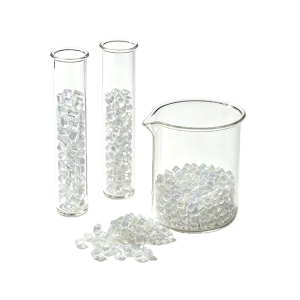
Modified Material
Ihre Klassifizierung: Modified MaterialAnsichten: 32Nummer:Veröffentlichungszeit: 2026-10-09 19:08:00
Nachrichten
Kategorie:
Keine Suchergebnisse!
Fall
Kategorie:
Keine Suchergebnisse!
Video
Kategorie:
Keine Suchergebnisse!
Herunterladen
Kategorie:
Keine Suchergebnisse!
Rekrutierung
Kategorie:
Keine Suchergebnisse!
Empfohlene Produkte
Keine Suchergebnisse!



 Telefon